
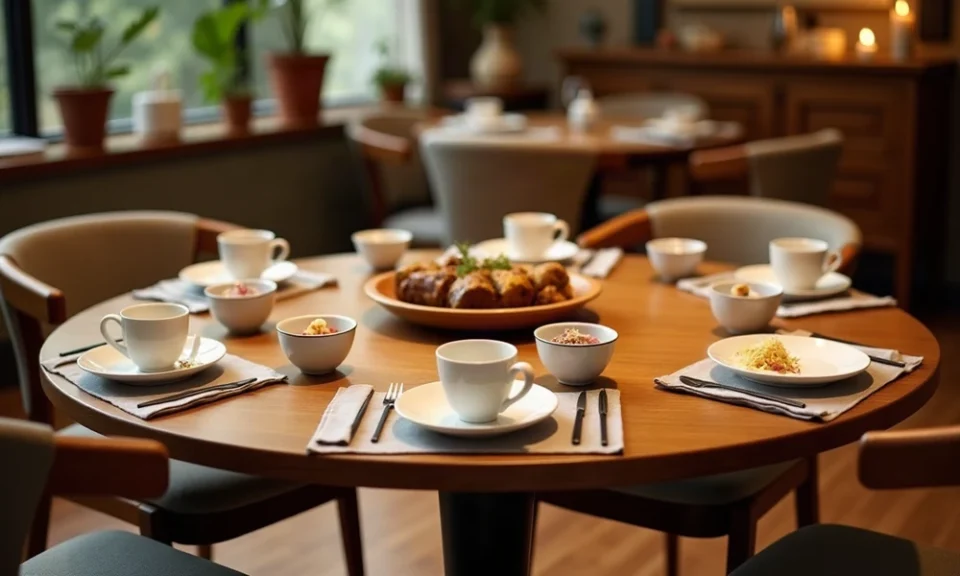
Chinese fine dining blends centuries-old customs with the polish of modern hospitality. For first-time guests, the shared dishes, seating order, tea service and toasts can feel unfamiliar, especially at a formal business dinner or family celebration. Whether you have been invited to a Chinese restaurant in Orchard for a client lunch or are hosting relatives for a milestone birthday, understanding a few basic customs can help you feel at ease and show respect to your hosts and fellow diners.
Reservations and Arrival
Formal Chinese dinners often follow a set plan, so preparation starts before you reach the table. When attending or arranging a meal, keep points like these in mind:
- Arrive on time, as dishes may be timed to begin once everyone is seated.
- Let the host know about dietary restrictions in advance, especially for set menus.
- Wait to be shown to your seat rather than choosing one yourself.
Seating Arrangements
Seating at a round table often reflects respect and seniority. While customs vary between families and regions, common practices include these:
- The guest of honour usually sits facing the entrance, often opposite or beside the host.
- Elders and senior guests are seated closest to the host.
- Junior guests or younger family members typically sit nearer the door.
- Guests usually wait for the host or eldest person to sit before taking their own seats.
Tea Etiquette
Tea is often served throughout the meal, and the way it is poured and received carries meaning. At many restaurants, small customs around tea service include the following:
- Pouring tea for others before refilling your own cup.
- Serving elders and guests of honour first.
- Tapping two or three fingers on the table to say thank you when someone refills your cup.
- Leaving the teapot lid slightly open or tilted to signal that more hot water is needed.
Chopsticks and Tableware
A typical fine-dining setting includes chopsticks, a rest, a soup spoon, small bowls and a plate. Guests at a Michelin Chinese restaurant in Singapore may also find serving chopsticks or spoons placed beside each shared dish, and following a few habits shows good manners:
- Use serving utensils, rather than your own chopsticks, to take food from shared plates.
- Rest your chopsticks on the holder when not in use, never upright in a bowl of rice.
- Avoid pointing or gesturing with chopsticks while talking.
- Lift the rice bowl closer to your mouth rather than leaning over the table.
- Place bones or shells on the side plate provided instead of the tablecloth.
Ordering and Sharing Dishes
Dishes in Chinese dining are usually shared, and the host often takes charge of ordering. As a guest, you can follow the flow of the meal by observing customs like these:
- Allow the host to order or choose the set menu unless invited to suggest dishes.
- Wait for the host or eldest guest to start each course before eating.
- Take modest portions so that there is enough for everyone.
- Try a little of each dish, as it is considered polite to sample what has been ordered.
- Avoid turning a whole fish over, as some diners see this as unlucky.
Toasting and Conversation
Toasts are a common part of formal dinners and celebrations. If drinks are served, keep in mind practices such as these:
- Let the host make the first toast before drinking.
- Hold your glass slightly lower than that of a senior guest when clinking.
- Use tea or a soft drink to toast if you do not drink alcohol.
- Keep conversation light and avoid sensitive topics at the table.
Dining With Ease
Chinese fine-dining etiquette centres on respect for elders, consideration for others and the shared nature of the meal. Remember, by observing your host, following their lead and practising a few simple customs, first-time guests can enjoy the food and company with confidence.
Reach out to Chen’s to plan your next business lunch or family dinner.
