
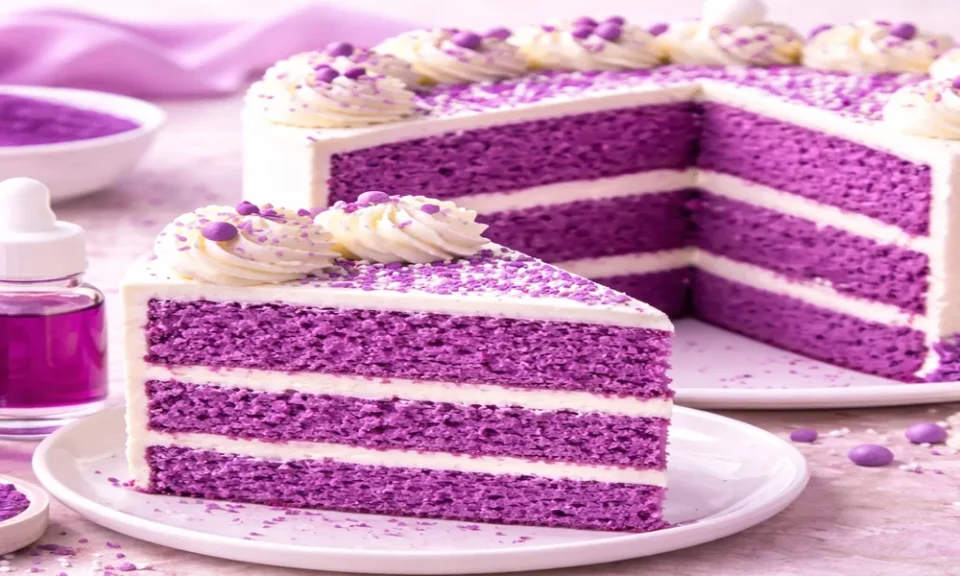
A few years ago, purple desserts were a novelty. Now they fill bakery windows and ice cream cases, and product teams are asking how to find a dependable purple color for food that looks rich without leaning on synthetic dyes. One answer sits underground, in a violet root.
A color with a long kitchen history
Purple sweet potatoes have been eaten for generations across Japan, China, Korea and the Philippines. Steamed, baked or mashed into sweets, they brought a deep violet to the table long before anyone called it a trend, and in many homes the root is still a humble street-food favorite that nobody feels the need to dress up.
What changed is the shopper. People post what they eat and share it within minutes, and a vivid dessert travels further online than a plain one. Brands noticed this quickly, and they went looking for that same shade in packaged foods, from cakes and cereals to frozen treats and soft drinks.
A root that often gets confused
Purple sweet potato is not the same as ube, which is a type of yam. The two look alike and show up on menus under swapped names, but they are different plants. A sweet potato concentrate comes from the sweet potato itself, so the labeling should say exactly that and nothing else.
Taste differs a little as well, which surprises many first-time buyers. Sweet potato is mild and earthy, while ube leans toward vanilla and nutty notes. For color work, that mildness helps, because the pigment rarely fights with the flavor of the food it is coloring, even at fairly generous doses.
What makes the pigment steady
The color comes from anthocyanins, the same family found in red cabbage and berries. In purple sweet potato, many of these molecules are acylated, meaning extra groups are attached that protect the structure. That tends to give better resistance to heat and light than plainer anthocyanins, which fade quickly once the temperature rises.
In practice, it often holds up in acidic drinks and fruit fillings, where other purples turn pink or lose strength. It is still a plant pigment, though, so test it in your own process and under your own lighting before assuming it will survive the whole shelf life.
Where it fits in a recipe
Bakery fillings, ice cream, yogurt, noodles and soft candy are all common homes for it. Shades run from reddish violet at low pH to a bluer purple as acidity drops, which gives formulators some room to steer the final look without adding a second pigment.
Neutral bases such as cake batter can push the color toward gray-blue, and baking soda makes that worse. A slightly acidic recipe, or adding the color to a filling instead of the batter, often solves the problem. Small changes to the base sometimes matter more than the dose.
Dose, form and mixing
Concentrates come as liquids and powders. Liquids blend quickly into beverages and syrups, whereas powders suit dry mixes and coatings. Start with a low dose, then raise it in small steps until the shade matches your reference sample, and write each step down as you go.
Mix thoroughly and give the product some rest time before judging. Pigment can look different right after mixing than it does an hour later, and tasters should compare samples under the same light, ideally with the same person making the call each time.
Checking the supply behind it
Ask where the roots are grown and how batches are standardized for color strength. Harvests vary from year to year, and without standardization your purple will wander from one order to the next, leaving the production team to adjust the dose by eye.
Request documents early, including specifications, allergen statements, origin details and stability data for your pH and heat range. Getting them in the first week saves a long email chain later and lets the quality team start their review while trials are still running on the bench.
Conclusion
Purple earned its place on the menu through culture and taste as much as through chemistry. A steady sweet potato color gives formulators a believable violet that fits sweet and savory foods alike, provided the testing comes first, and the base recipe is understood.
For samples and technical details on plant-based purple options, take a look at foodrgb.com. Ask for a small quantity, compare it in your own base against the shade you have in mind, and only then decide which one to scale up.
